Tips for Staying Healthy While Traveling: Essential Health Checks and Wellness Advice
Traveling is an exciting adventure that allows you to explore new places, experience different cultures, and make unforgettable memories. However, amid the thrill of vacation, it’s easy to overlook your health. Maintaining your well-being while traveling is crucial to ensure you can enjoy your trip to the fullest, without being sidelined by illness or injury. In this article, we’ll provide practical tips on how to stay healthy while traveling and check your health before and during your trip.
1. Prepare Ahead: Health Checks Before You Travel
Before embarking on your trip, it’s essential to prepare your body for the journey. A little planning can go a long way in ensuring you stay healthy throughout your travels. Here’s how to get ready:
- Visit Your Doctor: Schedule a pre-trip check-up to ensure you’re in good health. This is especially important for those with chronic conditions or those traveling to areas with different health risks. Your doctor can recommend vaccinations, preventative treatments (like malaria pills), and other necessary precautions.
- Get Necessary Vaccinations: Some destinations require specific vaccines, while others recommend them based on local health risks. Common travel vaccines include hepatitis A and B, typhoid, and influenza. Check with your healthcare provider or a travel clinic to ensure you have the necessary immunizations.
- Pack a Health Kit: Having a travel health kit on hand can help you manage minor issues on the go. Include items such as pain relievers, band-aids, antiseptic wipes, insect repellent, motion sickness tablets, and any personal medications you may need. It’s also a good idea to have your prescription medications in their original bottles with the proper documentation.
2. Stay Hydrated: Drink Plenty of Water
Dehydration is a common issue, especially when traveling to hot climates or when flying. Staying hydrated is crucial for maintaining energy levels, good digestion, and skin health. Here’s how to stay hydrated while on the go:
- Carry a Reusable Water Bottle: Keep a refillable water bottle with you and drink regularly throughout the day. Avoid sugary drinks, as they can contribute to dehydration.
- Be Mindful of Local Water Sources: In some destinations, tap water may not be safe to drink. Opt for bottled water or purified water when in doubt, and avoid ice in your drinks if you’re unsure of the water quality.
- Eat Water-Rich Foods: Include fruits and vegetables with high water content in your diet, such as watermelon, cucumber, and citrus fruits.
3. Eat Healthily and Be Cautious of Street Food
Trying local foods is one of the best parts of traveling, but it’s important to eat mindfully to avoid foodborne illnesses. Here’s how to enjoy delicious meals while keeping your health in check:
- Choose Fresh, Cooked Food: Opt for freshly cooked meals from reputable restaurants, and avoid raw or undercooked food, especially when it comes to meat, seafood, and eggs.
- Be Careful with Street Food: While street food is often tasty and affordable, it can sometimes pose health risks due to improper handling or hygiene practices. If you do indulge, ensure the food is cooked in front of you and served hot.
- Wash Your Hands Regularly: Practice good hygiene by washing your hands before eating and after using public transport or visiting crowded areas. Carry hand sanitizer when soap and water aren’t available.
4. Protect Yourself from the Sun and Insects
Traveling to tropical or sunny destinations can expose you to higher risks of sunburns and insect bites. Here’s how to protect yourself:
- Use Sunscreen: Apply a broad-spectrum sunscreen with SPF 30 or higher to protect your skin from harmful UV rays. Reapply every two hours, especially if you’re swimming or sweating.
- Wear Protective Clothing: Cover up with lightweight, long-sleeved shirts, hats, and sunglasses to shield your skin from the sun. Opt for light-colored clothing that reflects sunlight.
- Insect Repellent: If you’re traveling to areas with mosquitoes, use insect repellent with DEET to protect yourself from bites that can cause diseases like malaria or dengue fever. Wear long sleeves and pants, especially during dawn and dusk when mosquitoes are most active.
5. Get Active: Regular Exercise During Your Trip
While it’s tempting to relax and unwind on vacation, staying active will help you feel your best and avoid the sluggishness that often comes with travel. Here are some ways to keep moving:
- Walk and Explore: Many destinations are best explored on foot. Walking is an excellent way to stay active while sightseeing. Consider taking walking tours or hiking to nearby viewpoints.
- Hotel Gyms and Swimming Pools: Many hotels offer gym facilities, yoga classes, or swimming pools. These are great ways to get some exercise and stretch your muscles after long flights or drives.
- Stretch and Rest: Travel can involve a lot of sitting, whether on planes, buses, or trains. Take time to stretch your body regularly and make sure to rest when needed to avoid fatigue.
6. Know When to Seek Medical Attention
Sometimes, despite all precautions, health issues arise during travel. If you experience symptoms that seem out of the ordinary, it’s important to seek medical help promptly. Here are some signs that you should see a doctor:
- Persistent or Severe Symptoms: If you have a fever, persistent cough, or severe stomach issues (like vomiting or diarrhea), don’t wait too long to get checked out.
- Injury: If you injure yourself while traveling, whether it’s a sprain, fall, or something more serious, seek medical care to avoid complications.
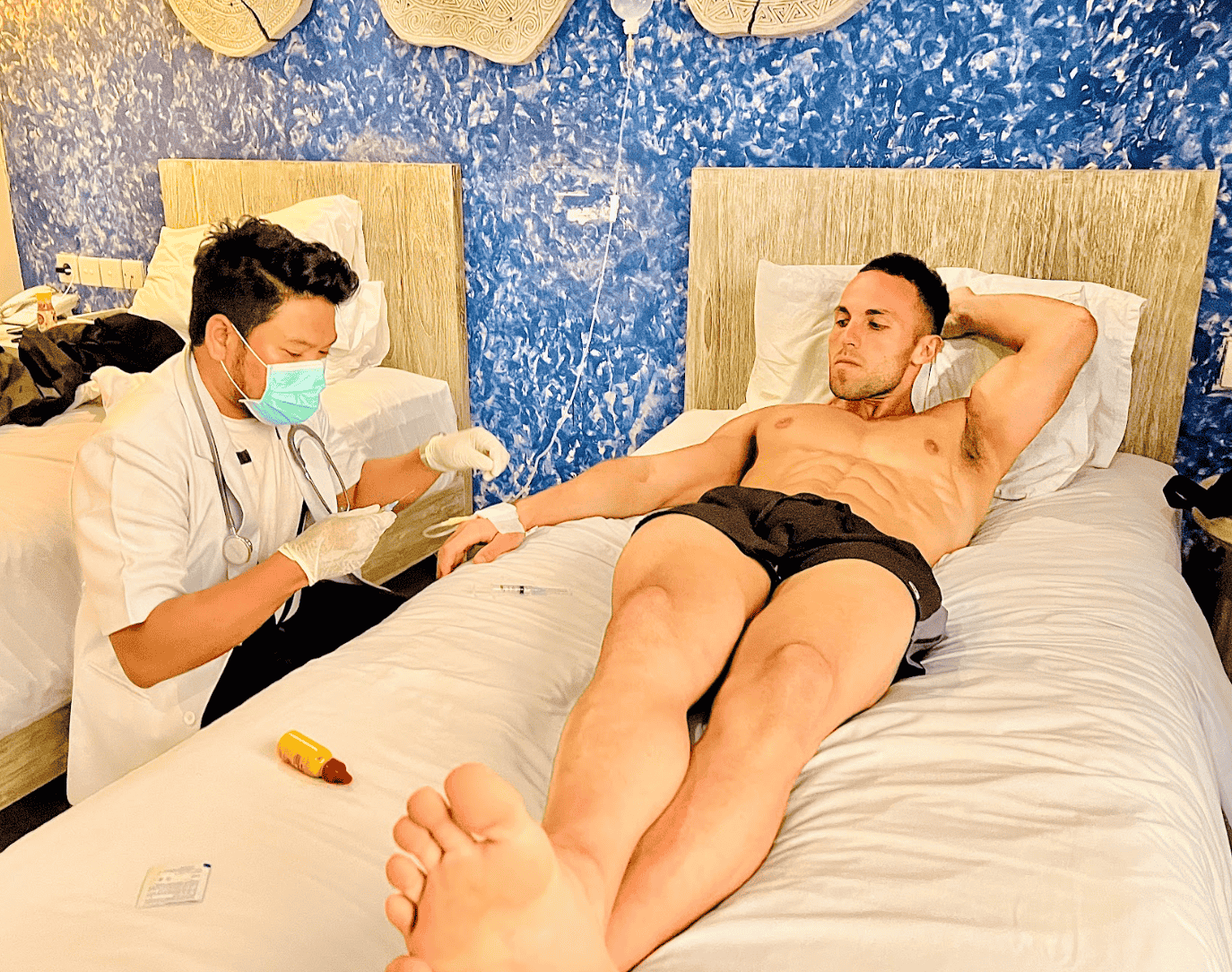
- Health Concerns in Remote Areas: In remote destinations like the Gili Islands, you may need to be extra cautious. Pandawa Medica Clinic, for example, offers home visit services, where doctors and nurses can come directly to your accommodation for consultations and treatment. This is a convenient option if you're feeling unwell but don’t want to travel to a clinic.
7. Rest and Sleep Well
Your body needs time to recover and recharge, especially when you're on the go. Getting enough sleep is essential to avoid fatigue and support your immune system.
- Stick to a Sleep Schedule: Try to maintain a regular sleep routine, even while traveling. If you're crossing time zones, give your body time to adjust.
- Avoid Over-Scheduling: While it's tempting to pack in as many activities as possible, remember that relaxation is also important for your health. Balance your sightseeing with some downtime to recharge.
Conclusion
Taking care of your health while traveling doesn’t have to be complicated. By following these simple tips—getting regular health checks, staying hydrated, eating carefully, protecting yourself from the sun and insects, staying active, and knowing when to seek medical help—you’ll be able to enjoy your trip without interruptions. Whether you're exploring Gili Trawangan, enjoying the tranquility of Gili Meno, or relaxing on Gili Air, maintaining your health should always be a priority.
And if you need medical assistance during your travels, don’t hesitate to contact local services like Pandawa Medica Clinic for expert help. By taking these simple steps, you can ensure that your vacation remains a positive and healthy experience. Safe travels!